

Every day we observe displays of aggression and cruelty among teenagers. This mostly happens in school settings, when students fail to find common ground and cannot resolve conflicts peacefully.
Following a high-profile incident of cruelty among Chernihiv teenage girls, activist Kateryna Dankova of the Chernihiv Public Committee for the Protection of Human Rights initiated the creation of the first pilot School Reconciliation Services. Activists organized a series of informational events to introduce educators to the restorative approach to building safety in schools and to leading educational practices used to prevent adolescent aggression and antisocial behavior among youth.
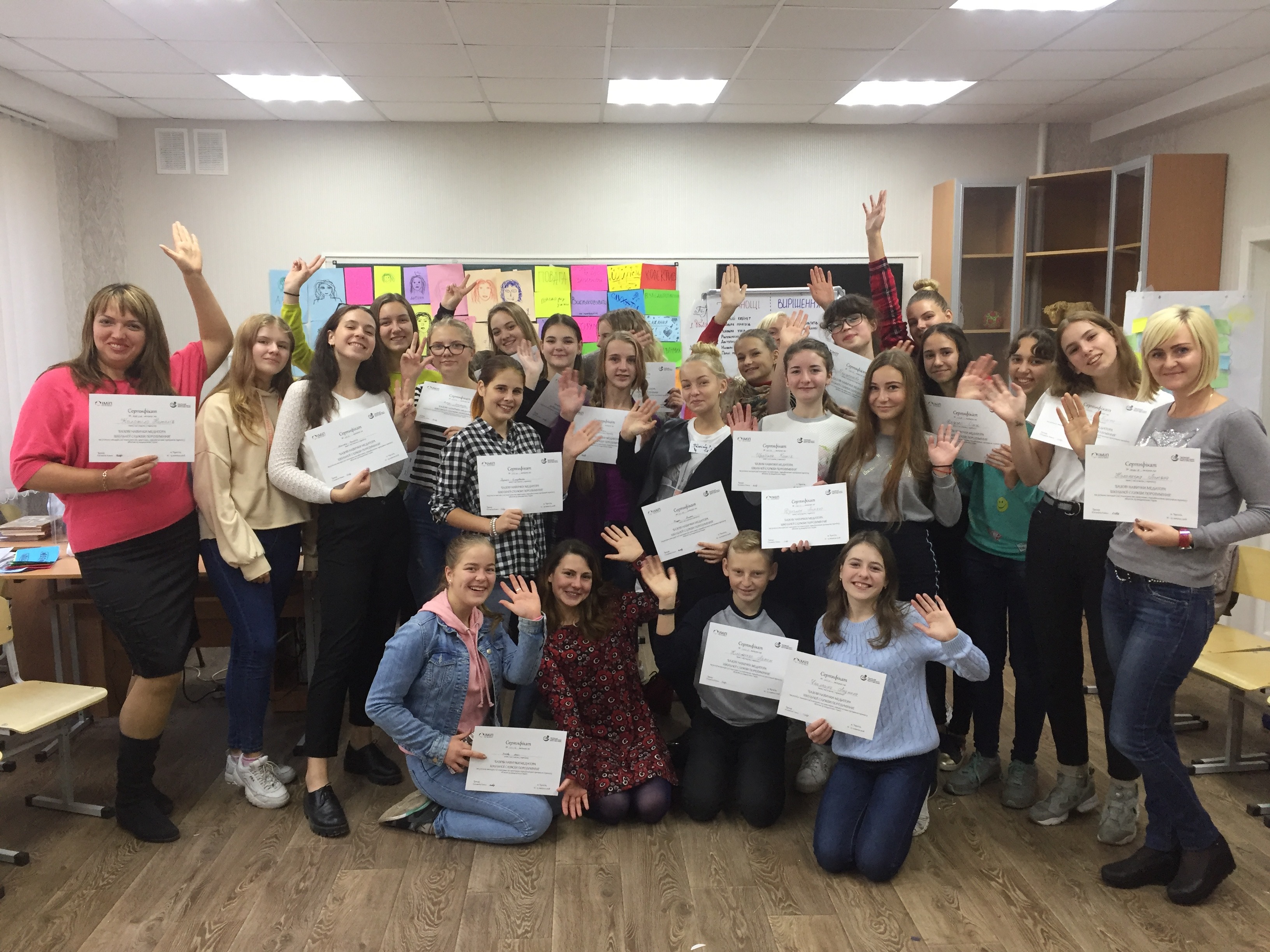
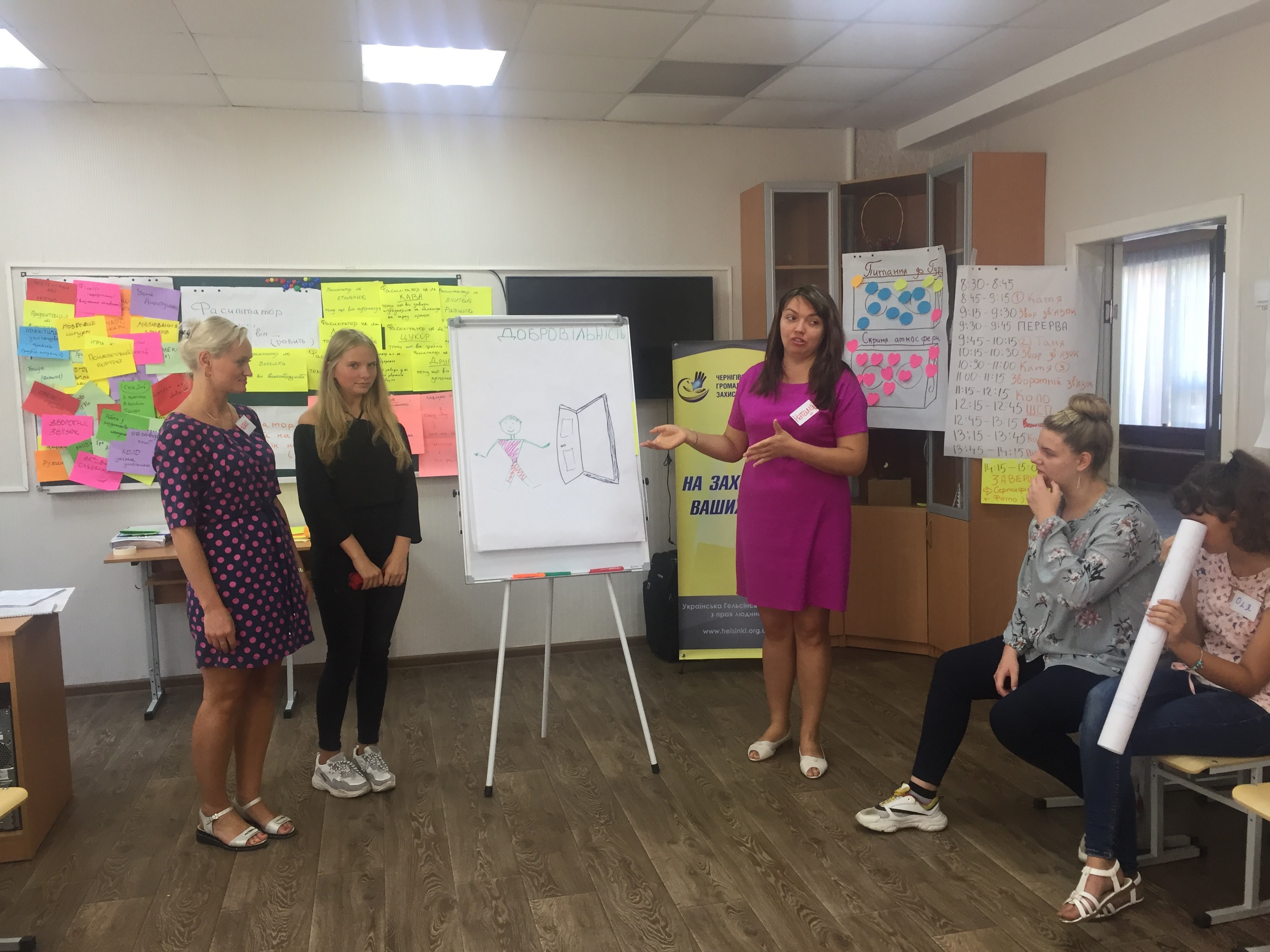
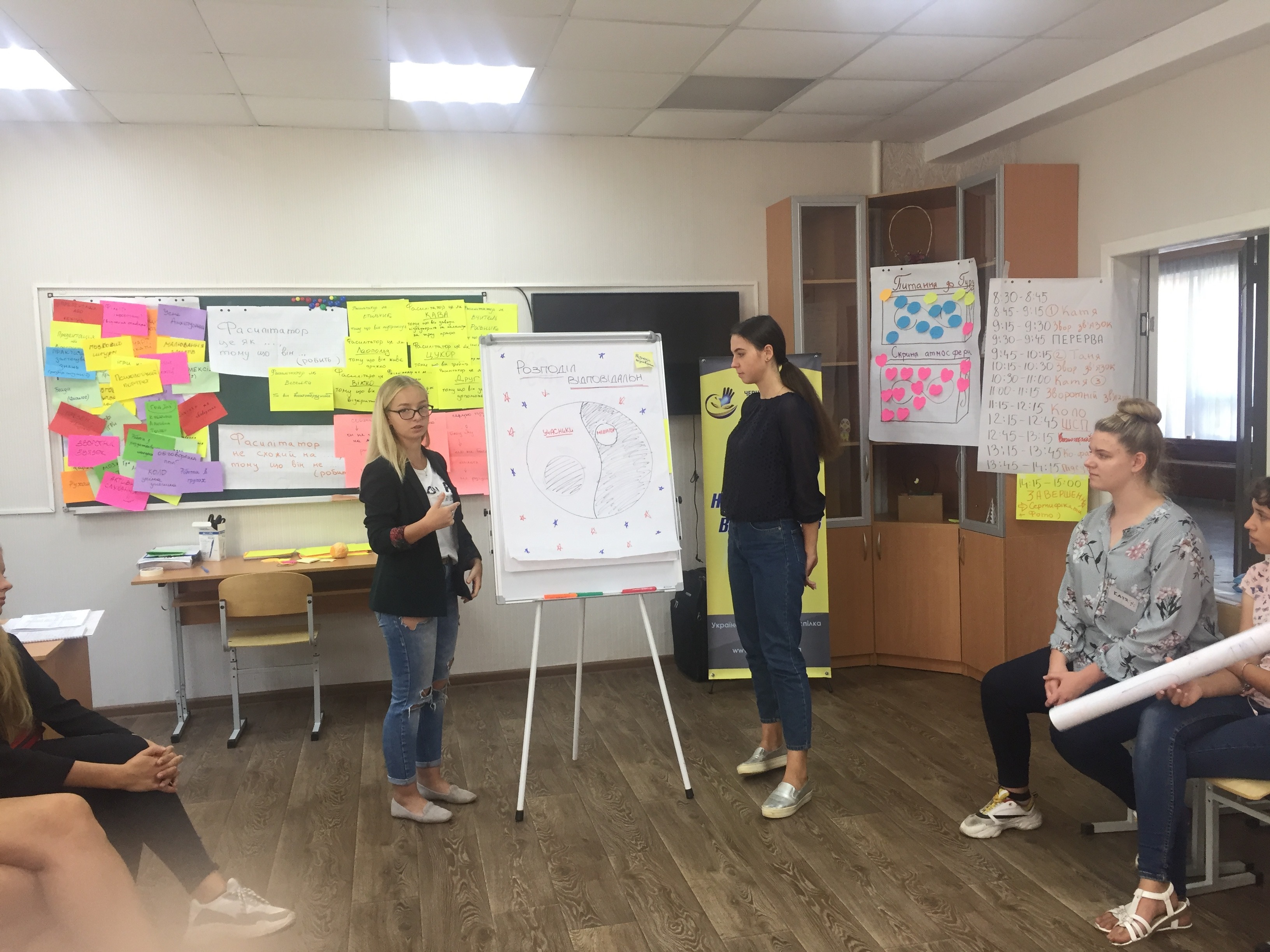
In autumn 2018 in Chernihiv the first training on applying restorative practices took place for 9th–10th grade students of Lyceum No. 22, School No. 29 and Gymnasium No. 31, as well as for three social educators from these institutions. Three School Reconciliation Services (SRS) were created — teams of trained upper-grade student intermediaries, or mediators, who, under the guidance of an SRS coordinator (usually a social educator or school psychologist), help their peers resolve conflicts peacefully and work to build a safe atmosphere in the school.
So what has changed in these schools? Is using restorative practices in school an effective mechanism for preventing adolescent aggression?
According to SRS coordinators — social educators and psychologists — the peer mediation program effectively influences students' development and helps establish a friendly, tolerant, and safe atmosphere in the school.
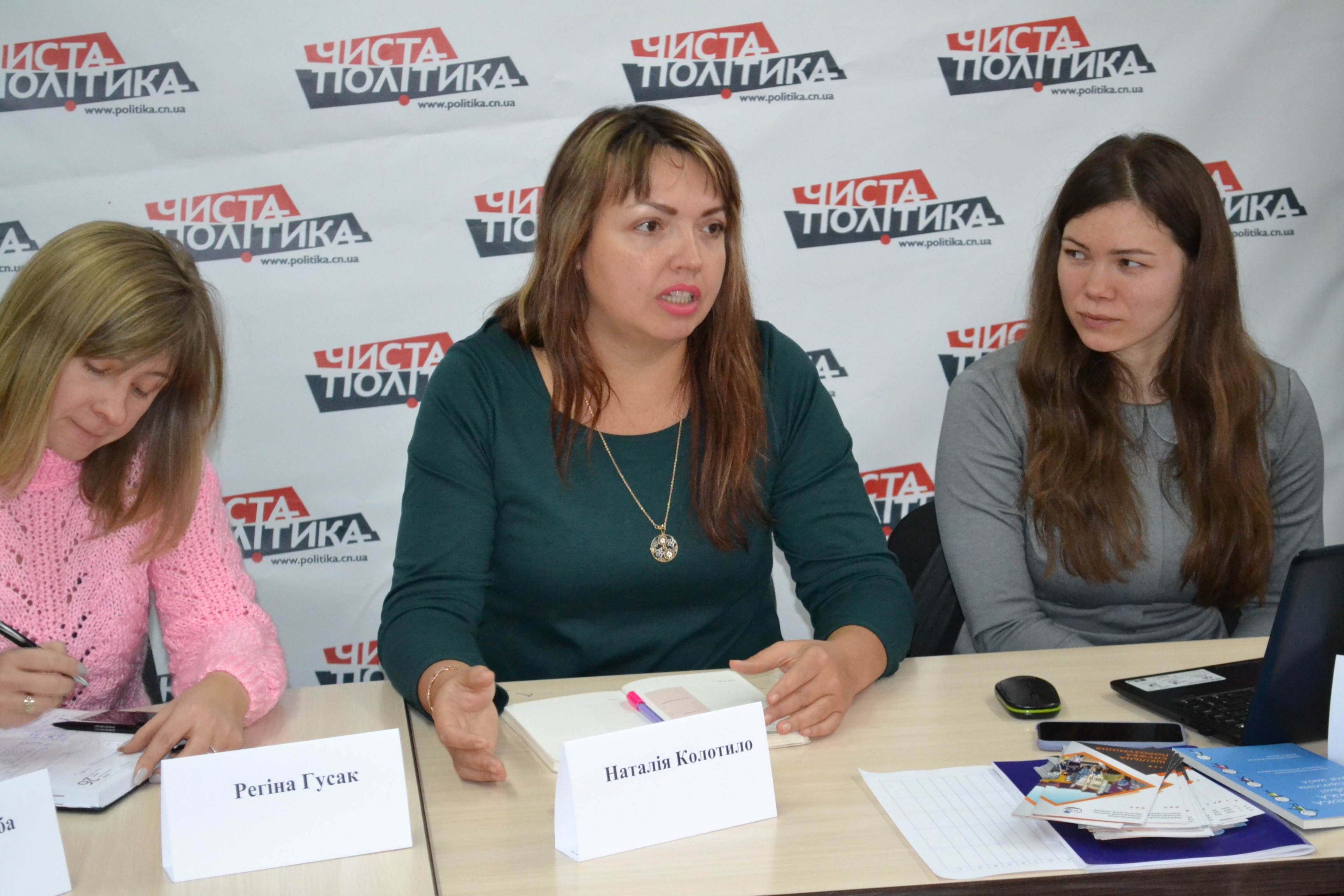
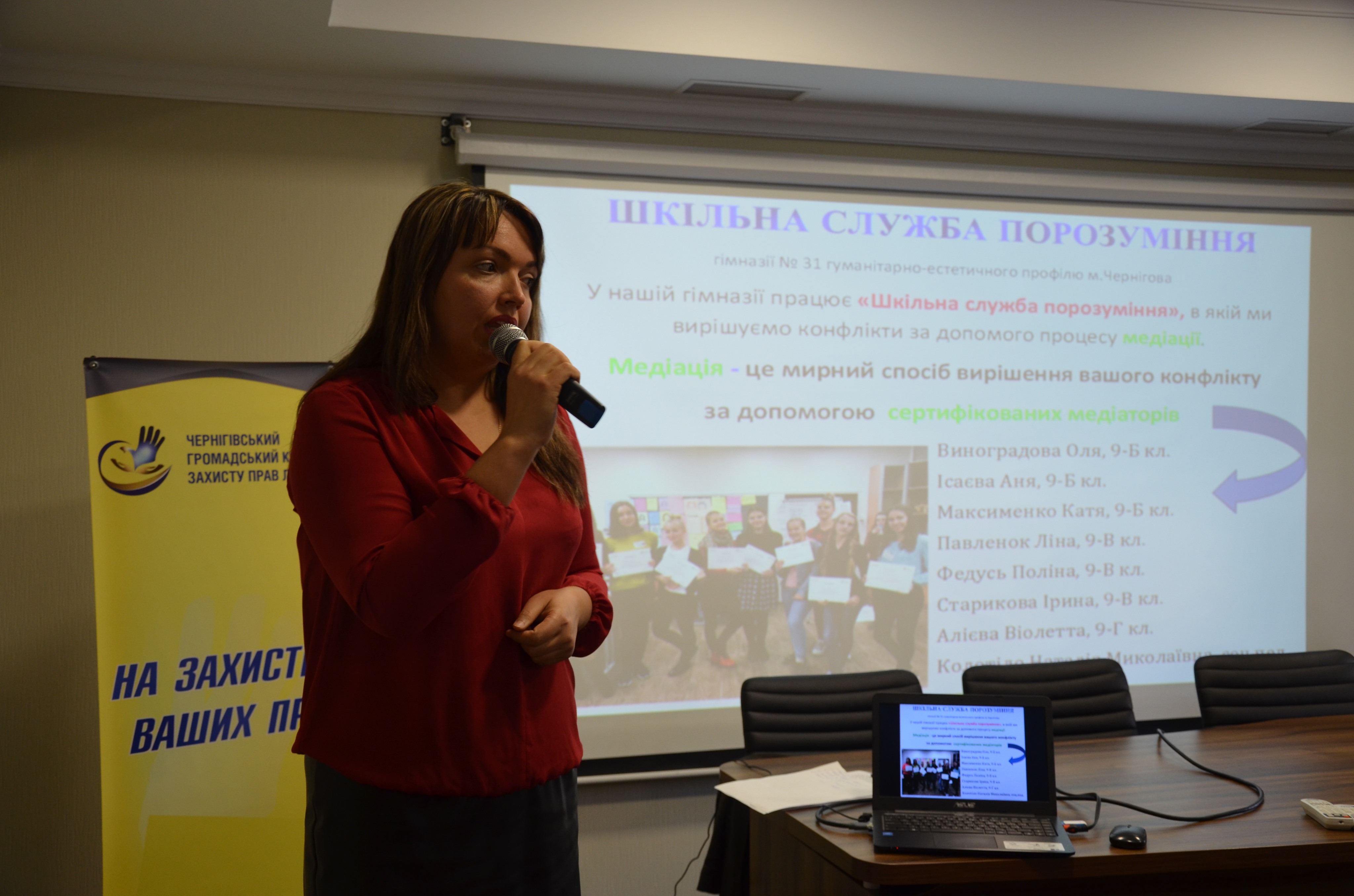
We spoke with the coordinator of the School Reconciliation Service at Chernihiv Gymnasium No. 31, Natalia Kolotylo, who is now the deputy principal for educational work.
Natalia, please tell us, how often does your School Reconciliation Service receive requests for help resolving conflicts?
Our student mediators completed their training at the end of 2018. Since then they have conducted about 20 mediations and around 30 thematic circles and values circles. I should note that students more often turn to mediators for help resolving conflicts, while class teachers request decision-making circles or values circles. The mediators of the School Reconciliation Service work with grades 5–9.
Can you share a successful example of using restorative practices in the school?
Of course. A notable and vivid example of a thematic circle for our School Reconciliation Service took place in spring 2019. The homeroom teacher of a sixth-grade class asked the mediators of the service to run a circle in her class. The teacher said there was a tense atmosphere and instances of bullying directed at one of the students.
We prepared two questions for the thematic circle: “Is there a communication problem in the class?” and “What needs to be done to establish a friendly atmosphere in the class?” The student mediators were applying their mediation knowledge and skills for the first time, so they were nervous but followed all the rules of the circle technique. At first, all the students reacted with indifference and treated it unseriously. They said there were no problems in the class and nothing needed to change.
Then it was the turn of the girl whom the homeroom teacher said was being disrespected and bullied. She spoke openly about her emotions, about being hurt by her peers, and that her tense relationships with classmates caused her sleep problems. Her words made the next speakers reflect and recall various situations that might have upset this girl.
Holding the circle helped the children understand that they do not notice how they can unintentionally hurt someone. It showed them how indifferent and cruel they can be toward others.
The second question—“What needs to be done to establish a friendly atmosphere in the class?”—helped foster positive emotions. The children spoke about respect for each other and mutual support. According to the homeroom teacher, the classroom atmosphere has now changed. The children have become friendlier and communicate with each other in their own social media group.
Another story I want to mention happened in my class. I am also a sixth‑grade homeroom teacher. I decided to hold a class session in an unusual way, using restorative practices. I remember it was before Mother’s Day, so we planned a values circle around the topic “My mother in my life.” Participants in the circle spoke about gratitude to their mothers and about the love and support they receive from their parents.
Somewhere in the middle of the circle it was the turn of a girl with a disability. Unable to hold back her emotions, she said she was grateful to her mother, who had not abandoned her to an orphanage when she learned about her health problems; on the contrary, she raised her with love and continues to care for her. It was a turning point that deeply affected the other children. The circle became emotionally difficult to continue. I was struck that the girl, who had previously been quite restrained and modest, spoke so openly about her feelings.
At this circle we managed to discuss the children's shared values and experiences. This, in turn, brought the children together: they became more tolerant and friendlier toward one another. And the main protagonist grew more self-confident and gained standing among her peers.
In your opinion, are restorative practices truly effective for creating a conflict-free and safe school environment?
Speaking about my school, I can confidently say that in the classes where the practices were used the atmosphere improved. Of course, there are classes, students and teachers who are difficult to work with. They do not believe in the mediation process or do not trust mediators leading the circles. Therefore restorative practices can be effective only when applied systematically.
The experience of implementing restorative practices in the school environment has produced positive results. Their use—peer mediation, mediation of conflicts, decision-making circles, family group conferences, and training exercises to develop conflict-resolution skills—helps prevent negative phenomena related to conflict, aggression, bullying and violent behavior among children.
The most important and visible result of introducing restorative approaches to education is a reduction in the number of conflicts at school, because participants acquire the skills to express their opinions without conflict, manage emotions constructively, make joint decisions, solve problems and cooperate with others.
Sharing the successful experience of School Reconciliation Services made it possible to involve other schools in Chernihiv and the region in creating a safe school environment. To date, at the request of school administrations, 14 School Reconciliation Services have been established in Chernihiv region.