

Implementing the "Peaceful School" model involves creating a School Reconciliation Service and training its representatives — mediators.
School Reconciliation Service (SRS)– a school structure for professional conflict resolution and training in constructive communication models, consisting of 8–10 selected and trained senior students who, on a peer-to-peer basis, carry out conflict resolution procedures (mediations*, reconciliation circles** and others) and training. The service is headed by a Coordinator — a teacher, school psychologist, or social pedagogue who, if necessary, also takes part in conflict resolution procedures and training. The SRS Coordinator is a member of the school leadership team. (for guidance on how to create an SRS at your school, see thevideo).
The school mediation team engages in the following activities:
- participation in the "Basic Skills for an SRS Mediator" training (4 days)
- launch and operation of the service in the school (setting up a room for the SRS, service management, conducting mediations, reconciliation circles and other activities for peers aimed at peaceful conflict resolution)
- supervision, monitoring and evaluation of service quality within the SRS, ongoing feedback
- networking with educational institutions implementing the "Peaceful School" model (including at the level of SRS teams).
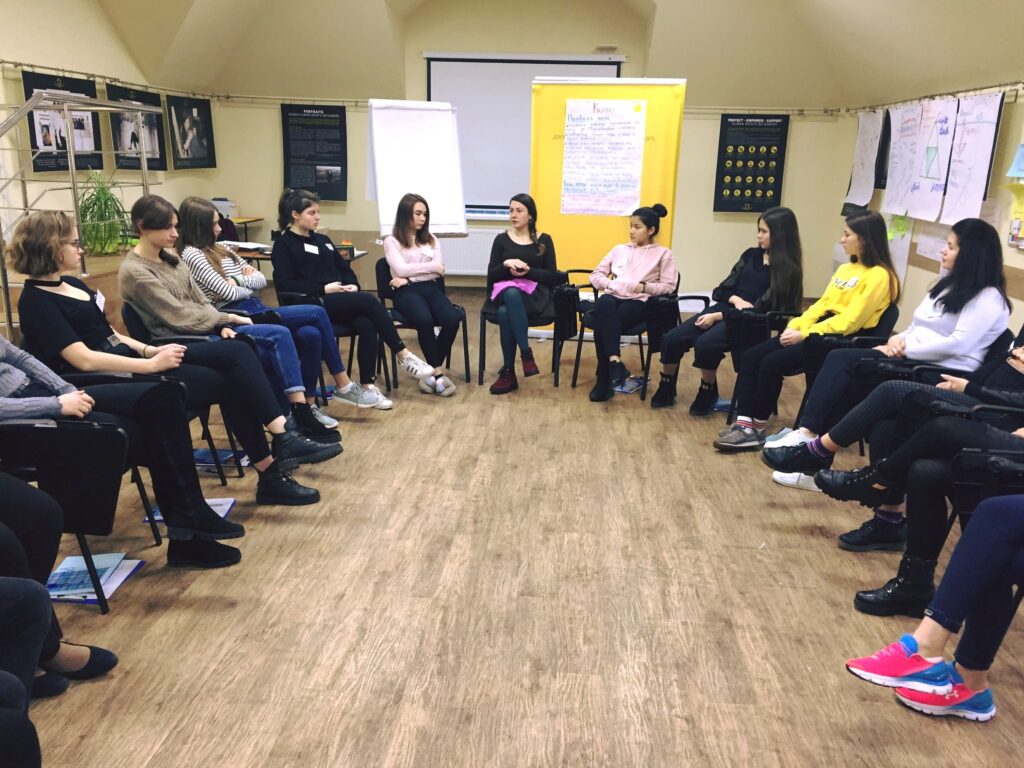
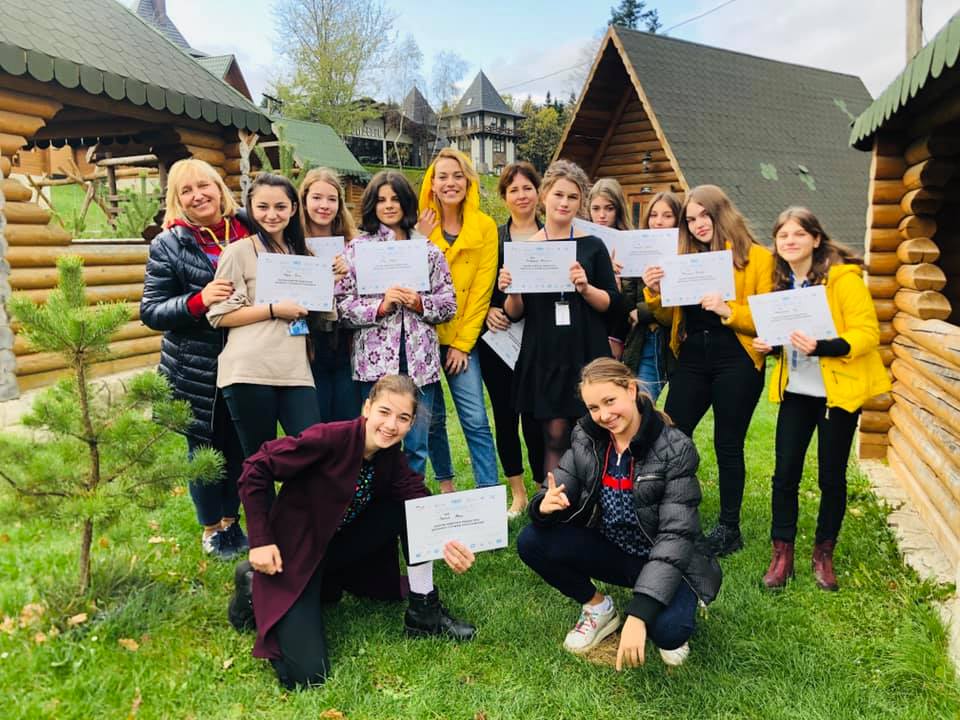
One year after beginning implementation and practice of the "Peaceful School" model, SRS mediators have the opportunity to take part in a trainers' course (a 3-day interschool training for SRS mediators). Trained trainers are involved in sharing the Model's implementation experience with other educational institutions (upon request and in coordination with NGO "IMIP").
*Mediation is a voluntary and confidential process in which a neutral third party (the mediator) helps the parties to a conflict find a mutually acceptable way to resolve the situation.
**A reconciliation circle is a gathering of people to discuss difficult issues and problems in an atmosphere of mutual respect and care according to specific rules. The circle approach involves all stakeholders in solving the problem and ensures their active participation in discussing the situation and making decisions.